

With the Toronto International Film Festival 2026 just two days away, the excitement is building across Toronto. Running September 10 to 20, the 51st edition of TIFF brings another impressive lineup of films from around the world, including a particularly strong selection of stories centred on Black communities and the African diaspora.
This year's Black and African Diaspora films move across continents, generations and genres. There are documentaries recovering important chapters of Black history, dramas examining family, identity and belonging, stories rooted in Africa and the Caribbean, and films exploring the Black experience in North America.
Among the 17 films in this year's selection highlighted in this piece, seven stand out as my personal top picks to check out: Once Upon a Time in Harlem, Sunburn, Misty Green, Prima Facie, Congo Boy, Voices, and Marie Madeleine.
Seven TIFF 2026 films on my list
Once Upon a Time in Harlem
William Greaves and David Greaves
Few films in this year's TIFF lineup feel as historically significant as Once Upon a Time in Harlem.
Originally filmed by pioneering Black filmmaker William Greaves in 1972, the documentary captures an extraordinary gathering of figures connected to the Harlem Renaissance. Greaves brought together artists, writers, musicians and cultural figures, including Eubie Blake, James Van Der Zee, Arna Bontemps, Richard Bruce Nugent and Romare Bearden.
The project remained unfinished for decades. Greaves shot approximately 60,000 feet of 16mm footage, leaving behind an extraordinary cinematic time capsule. His son, David Greaves, eventually completed the film, allowing audiences more than half a century later to experience these conversations and recollections.
What makes the film particularly compelling is its dual role as both documentary and historical archive. It does not simply look back at the Harlem Renaissance. It allows some of the people who experienced and shaped that cultural movement to speak about it themselves.
For anyone interested in Black cultural history, filmmaking or the evolution of African American artistic expression, this is arguably one of the essential films of TIFF 2026. The documentary has already attracted attention at major festivals, including Sundance and Cannes Directors' Fortnight.
Sunburn
Serville Poblete
As one of the Canadian films in the selection, Sunburn is an especially interesting title to watch.
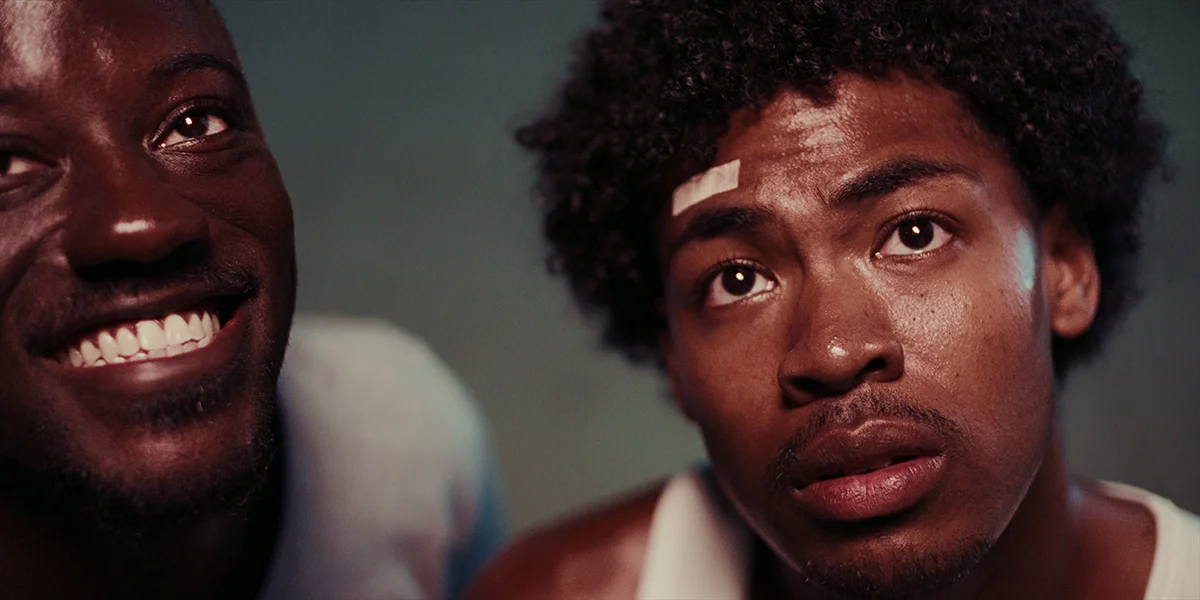
Directed by Serville Poblete, the film represents an opportunity to see a Black Canadian filmmaker's work positioned within TIFF's international Black and African Diaspora programming. It is also part of the festival's Centrepiece lineup, with a TIFF screening scheduled for September 16.
For me, Sunburn belongs near the top of the list precisely because Canadian Black cinema remains an essential part of the broader diaspora conversation. TIFF offers a key global stage for these stories, and this film comes at a particularly significant time for Canadian filmmakers aiming to broaden how Black Canadian experiences are shown on screen.
Misty Green
Chris Rock
Chris Rock steps behind the camera again with Misty Green, one of the most anticipated titles in TIFF's Gala lineup.
The film stars Rosalind Eleazar as a talented actress attempting to revive a stalled career. Rock has assembled an impressive supporting cast that includes Anna Kendrick, Adam Driver, Daniel Kaluuya and Topher Grace.
The film is particularly intriguing because Rock is returning to TIFF as a director more than a decade after Top Five premiered at the festival in 2014. Misty Green is also a world premiere, giving Toronto audiences an early opportunity to see his latest work.
There is also a strong connection between the film and this year's TIFF honours. Eleazar is receiving a TIFF Tribute Performer Award for her performance in Misty Green.
The combination of Rock's perspective on Hollywood, an accomplished ensemble cast and the film's examination of the entertainment industry's institutional barriers makes this one of the titles I will be watching particularly closely.
Prima Facie
Susanna White
Prima Facie is another of my top TIFF picks, bringing a major dramatic production into the festival's Black and African Diaspora conversation.

Directed by Susanna White, the film is built around questions of justice, power and the legal system. Its presence at TIFF is significant because the festival continues to provide space for stories that place Black performers and Black perspectives within genres that have traditionally offered limited representation.
For audiences looking beyond conventional representations of the African diaspora, Prima Facie is one of the films worth seeking out.
Congo Boy
Rafiki Fariala
Rafiki Fariala's Congo Boy is one of the most powerful African titles in the selection.
The film follows Robert, a Congolese refugee living in the Central African Republic. His parents are imprisoned because of their immigration status, leaving Robert responsible for his four younger siblings. He also finds himself hiding his Congolese identity while trying to survive and provide for his family.
Music and poetry become important forms of expression as Robert navigates displacement, responsibility and identity.
Fariala brings an especially personal perspective to the story. Born in the Democratic Republic of the Congo and raised partly in the Central African Republic, he draws on his own experience of displacement and belonging.
The film has already made a major impact internationally. Fariala won the Best Actor award at Cannes in 2026, adding another reason for TIFF audiences to pay attention to this moving story of family and resilience.
Voices
Deanté Gray
Voices takes the Black diaspora selection in a very different direction.
Directed by Deanté Gray, this 2026 American thriller centres on a rising soul duo whose lives change dramatically after they overdose just hours before an important departure. A desperate hotel employee and the duo's closest friends see an opportunity and attempt to step into the space left behind.
The premise immediately sets up a tense story about ambition, desperation and opportunity, with music and the entertainment industry at its centre. The film stars Francis C. Edemobi, Ezekiel Ajeigbe, Raél Ba and Jamal R. Averett.
Voices is one of my top picks because it appears to bring a distinctly contemporary energy to this year's selection. Rather than looking backward, it explores what happens when people on the margins suddenly see an opportunity to change their circumstances.
Marie Madeleine
Géssica Généus
Géssica Généus' Marie Madeleine is perhaps the most personally meaningful film in this year's Black and African Diaspora selection for me. Set in Jacmel, Haiti, the film follows Marie Madeleine, a free-spirited Haitian sex worker whose life intersects with Joseph, a young evangelical believer. Their unlikely relationship brings questions of faith, desire, freedom and social expectations to the forefront.
As someone of Haitian descent, I am particularly happy to see Haitian cinema being featured at TIFF. Haiti has an extraordinarily rich cultural and artistic tradition, yet Haitian stories and filmmakers remain underrepresented on the international film festival circuit. Seeing Marie Madeleine receive a platform at one of the world's major film festivals is therefore something I am genuinely excited about.
Généus is also an important voice in contemporary Haitian cinema. Following her acclaimed 2021 film Freda, which was selected for Cannes, she returns with a story deeply rooted in Haitian life, culture and spirituality. Marie Madeleine had its world premiere at Cannes before coming to TIFF, where it is receiving its North American premiere.
For me, this makes Marie Madeleine more than simply another film on the TIFF schedule. It is an opportunity to see Haiti represented through the perspective of a Haitian filmmaker, with the country's landscapes, communities, contradictions and cultural traditions at the heart of the story.
Canadian voices take centre stage
Three films from the selection deserve particular attention from Canadian audiences: Darlene Love: I Know Where I've Been, Marie Madeleine and Sunburn.
Darlene Love: I Know Where I've Been
Barry Avrich
Toronto filmmaker Barry Avrich turns his camera toward one of American music's most influential and underappreciated voices in Darlene Love: I Know Where I've Been.
The documentary traces Love's journey from singing in a Los Angeles church choir to becoming one of the defining voices of the 1960s. It also examines the racial barriers and professional struggles she encountered throughout her career.
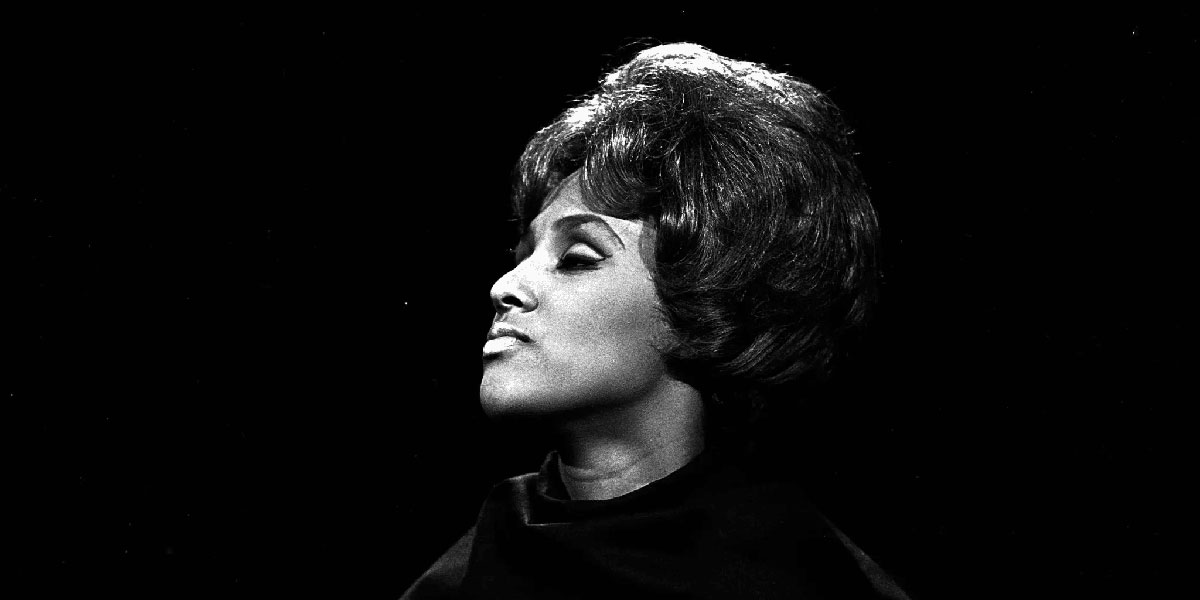
Love's story is particularly complicated by the history of the music industry and her work under producer Phil Spector, where she provided lead and background vocals on major recordings, sometimes without receiving the recognition she deserved.
The film features appearances from figures including Cher, Dionne Warwick, Bruce Springsteen and David Letterman, combining archival material with contemporary reflections and performances.
For TIFF audiences, this is both a celebration of a musical legend and an examination of the complicated history of Black artists within the American recording industry.
Marie Madeleine
Géssica Généus
Géssica Généus brings a Haitian story to TIFF with Marie Madeleine, a drama set in Jacmel.
The film follows Marie Madeleine, a woman living independently through prostitution, whose life intersects with that of Joseph, a young evangelist. Their encounter creates a confrontation between desire, freedom, faith and social expectations.
Généus is one of the important contemporary voices in Haitian cinema, making this an especially intriguing addition to TIFF's Black and African Diaspora programming.
Sunburn
Serville Poblete
Already one of my top picks, Sunburn also represents an important Canadian contribution to the festival.
Its inclusion alongside films from Africa, the Caribbean, the United States and elsewhere demonstrates the breadth of contemporary Black Canadian filmmaking and reinforces the idea that the African diaspora cannot be reduced to a single geographic or cultural experience.
The complete Black and African Diaspora selection
Beyond the seven top picks and three Canadian highlights, TIFF's 2026 selection offers another impressive collection of films exploring African and diasporic identities.
Ben'Imana
Marie-Clémentine Dusabejambo
Rwandan filmmaker Marie-Clémentine Dusabejambo arrives at TIFF with Ben'Imana, a deeply personal story centred on women, motherhood, healing and the legacy of a nation's traumatic past.
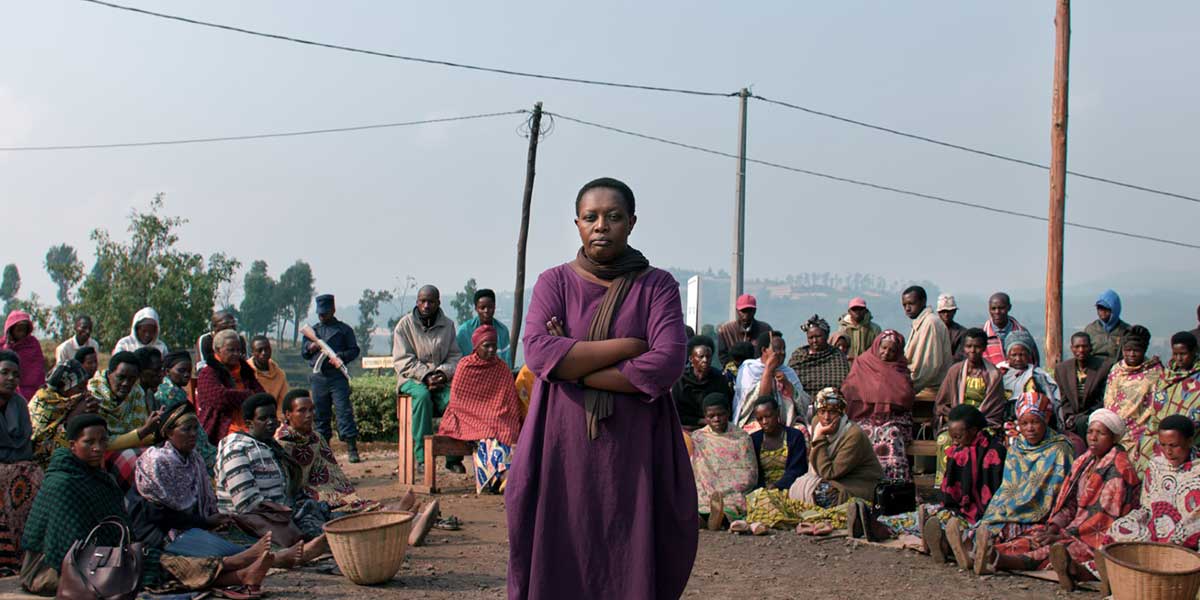
Dusabejambo won the Caméra d'Or at Cannes 2026, making this one of the African discoveries to watch closely during TIFF.
Clarissa
Arie Esiri and Chuko Esiri
The Nigerian-American filmmaking duo Arie and Chuko Esiri transpose Virginia Woolf's Mrs. Dalloway into contemporary Lagos.
With an ensemble including Sophie Okonedo, David Oyelowo and Ayo Edebiri, Clarissa explores the interconnected lives of people navigating modern Lagos. The film premiered in Cannes Directors' Fortnight and offers another example of African filmmakers reimagining major literary works through an African lens.
On Behalf of My Son
Gabriel Martins
Brazilian filmmaker Gabriel Martins follows Vicentina, a mother grieving the death of her son Wesley following a tragic bus accident.
When evidence suggests that Wesley's death may have been a suicide, Vicentina begins seeking out the families of other victims. Her journey becomes an attempt to understand what happened while confronting grief, guilt and uncertainty.
Re/Pair
Lacey Schwartz Delgado
Re/Pair brings together 19 pairs of Black and Jewish thinkers for candid conversations about families, communities, shared histories and points of difference.
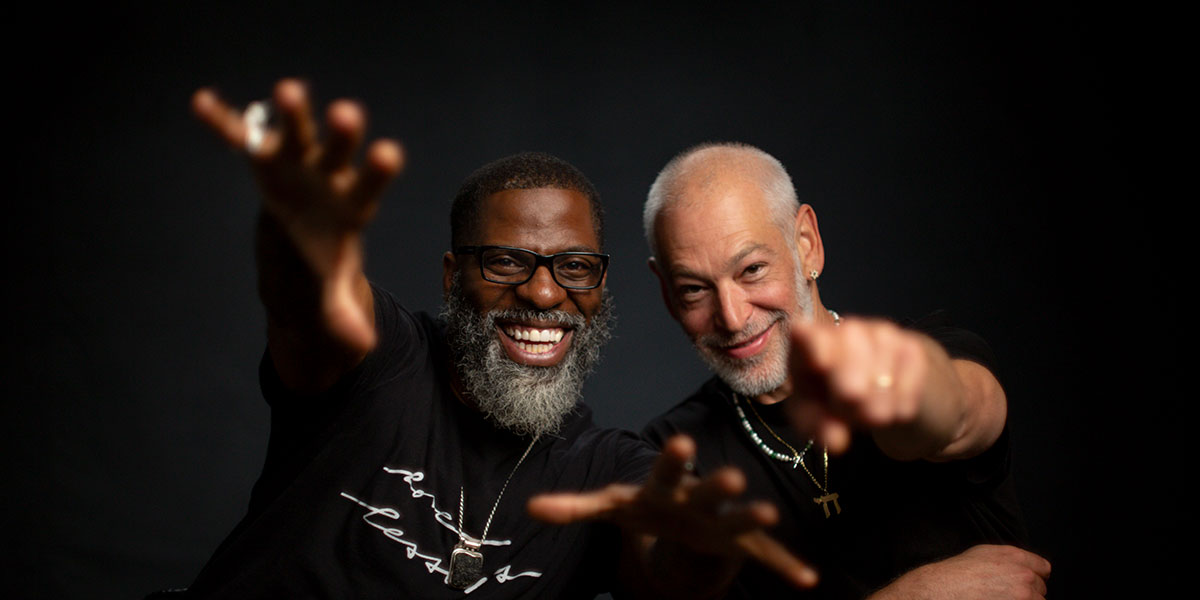
The documentary is particularly timely in an increasingly divided world, asking what happens when people with overlapping histories create space to listen to one another. It is also a TIFF world premiere.
Soumsoum, The Night of the Stars
Mahamat-Saleh Haroun
Set in Chad's Ennedi desert, Soumsoum, The Night of the Stars follows Kellou, whose friendship with an outcast named Aya puts her in conflict with hostile villagers.
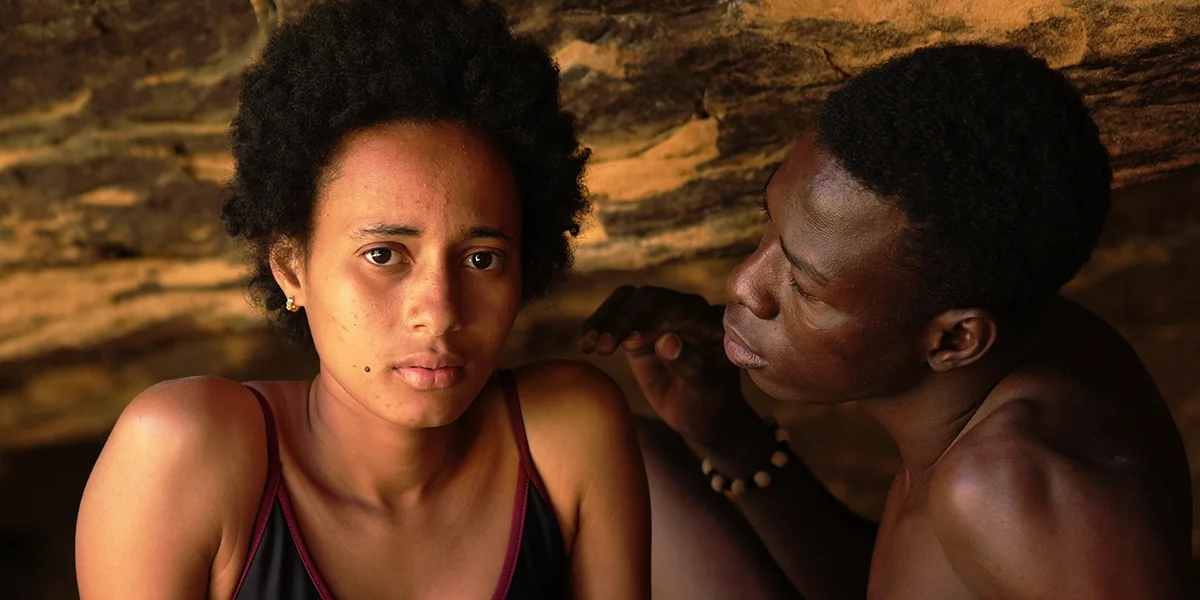
Directed by internationally acclaimed Chadian filmmaker Mahamat-Saleh Haroun, the film combines questions of freedom, community and resistance with the stark landscape of the Sahara.
The Fortunate Isles
Helena Girón and Samuel Delgado
Set on the Canary Islands in the 15th century, The Fortunate Isles follows Fátima, an enslaved woman living under the control of a marquis who controls the island's only source of fresh water.
When the well runs dry and rebellion begins, Fátima's search for water becomes a larger struggle for collective survival.
The Secret Lives of Baba Segi's Wives
Daniel Oriahi
One of the most intriguing Nigerian titles in the lineup is Daniel Oriahi's adaptation of Lola Shoneyin's acclaimed novel The Secret Lives of Baba Segi's Wives.
The story centres on Baba Segi, a wealthy Yoruba patriarch whose household is governed by a complicated hierarchy involving his wives and children. The arrival of Bolanle, an educated fourth wife who cannot conceive, threatens to expose secrets that have been carefully hidden for years.
The film explores marriage, power, jealousy, fertility and survival through a distinctly Yoruba and Nigerian perspective.
Your Mother Your Mother Your Mother
Bassam Tariq
Bassam Tariq's Your Mother Your Mother Your Mother stars Mahershala Ali as Latif, a devout Muslim contract killer who suddenly becomes a widowed single father.
When his infant daughter needs breast milk, Latif's desperate search brings him into conflict with a far-right religious leader and militia. The film uses an intense thriller framework to explore faith, grief, responsibility and fatherhood.
Zjili: A Story of Sisterhood and The Burdens of Excess
Hajara Musah Chambas and Christine Boateng
Set against Accra's enormous secondhand clothing industry, Zjili follows three Ghanaian women whose lives intersect with a world shaped by fashion, commerce, identity and excess.
The film marks an important feature debut for its filmmakers and offers another contemporary African story rooted firmly in the realities of urban Ghana.
A remarkably broad diaspora conversation
What makes TIFF's 2026 Black and African Diaspora selection particularly exciting is its geographical breadth.
These 17 films take audiences from Harlem to Lagos, Kinshasa to Accra, Jacmel to Toronto, Brazil to Rwanda and the Central African Republic to the United States. They move between documentary, drama, thriller, historical filmmaking and literary adaptation.
There are stories about artists whose contributions were overlooked, refugees struggling to protect their families, women challenging social expectations, communities confronting complicated histories and filmmakers reclaiming perspectives that have too often been left outside the mainstream.
And there are stories that simply entertain.
That range is important. Black cinema and African diaspora cinema are not genres in themselves. They encompass virtually every genre and every kind of human experience.
With TIFF 2026 opening in just two days, the anticipation is already building. For Black and African Diaspora cinema, this year's lineup offers Toronto audiences an unusually rich opportunity to see where filmmakers are coming from, where they are going and how they are redefining the stories that get to occupy the big screen.
Don't miss out! These 17 films are among the titles worth putting on your TIFF watch list.