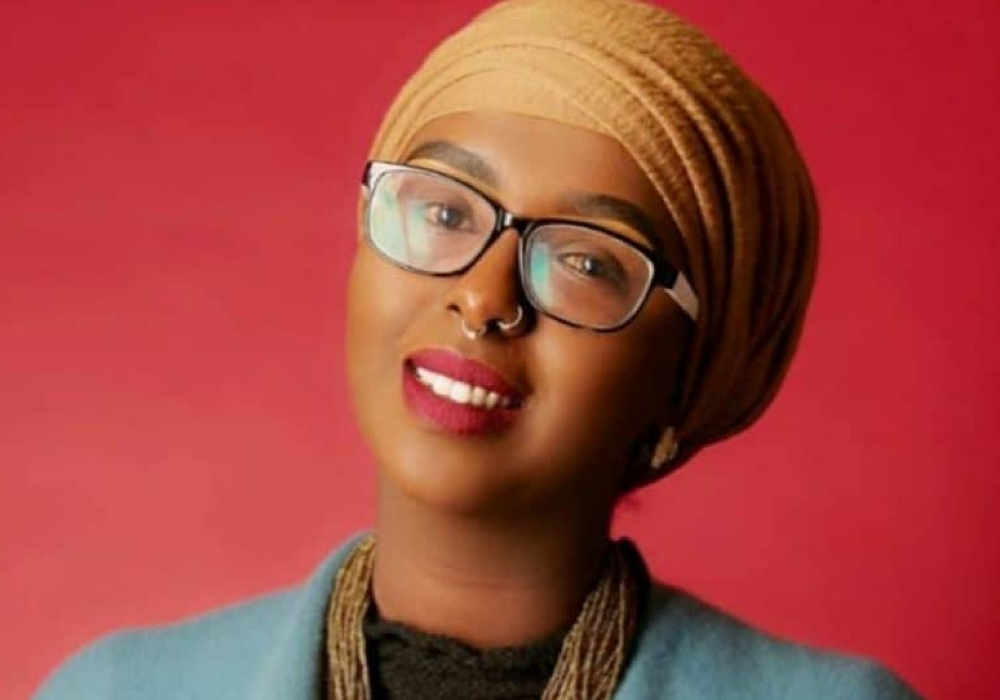
In this exclusive interview, BlackNorth Initiative CEO Dahabo Ahmed-Omer discusses being named to Canada’s Top 40 Under 40 2026 relaunch cohort. She reflects on how her non-traditional path in public service and grassroots advocacy shapes her leadership. Ahmed-Omer shares her vision for holding major institutions accountable, balancing community trust with corporate partnerships, and building sustainable structural foundations for the next generation.
When Dahabo Ahmed-Omer learned she had been named to Canada’s Top 40 Under 40 as part of the program's landmark relaunch, her first thoughts did not drift to corporate titles or career milestones. Instead, they turned to her mother and the grassroots communities that walked beside her long before she stepped into a national office.
FACE Coalition is taking its Micro-Loan Program national, partnering with the Business Development Bank of Canada to widen access to capital for Black entrepreneurs coast to coast. Building on a successful Ontario and British Columbia pilot with Alterna Savings and Vancity, the program now offers loans ranging from $10,000 to $250,000. The move reflects FACE's push to close persistent financing gaps for Black-owned businesses nationwide.
The Federation of African Canadian Economics (FACE) has spent five years chipping away at one of the most stubborn barriers facing Black business owners in this country, the simple fact of getting a loan. That work took a significant step forward this week. FACE announced the national expansion of its Micro-Loan Program, moving a financing tool that once served two provinces into a coast-to-coast resource for Black entrepreneurs, and doing so in partnership with the Business Development Bank of Canada.
A powerful new report from Toronto-based AgentsC Inc. lays bare the experiences of Black fundraisers navigating systemic anti-Black racism inside Canada's and America's predominantly white institutions. Titled Fundraising While Black: Harm, Happiness, Healing, the study draws on the voices of over 100 Black fundraising professionals to document burnout, discrimination and exclusion, while pointing toward a growing movement of Black-led collective power as the path forward.
There is a question that gets to the heart of how institutions treat Black professionals, and it is deceptively simple: When the work is excellent, the passion undeniable, and the commitment beyond question, what more does a Black person have to do to be seen, protected, and valued? For more than 100 Black fundraisers working across Canada and the United States, that question is not rhetorical. It describes Tuesday morning.
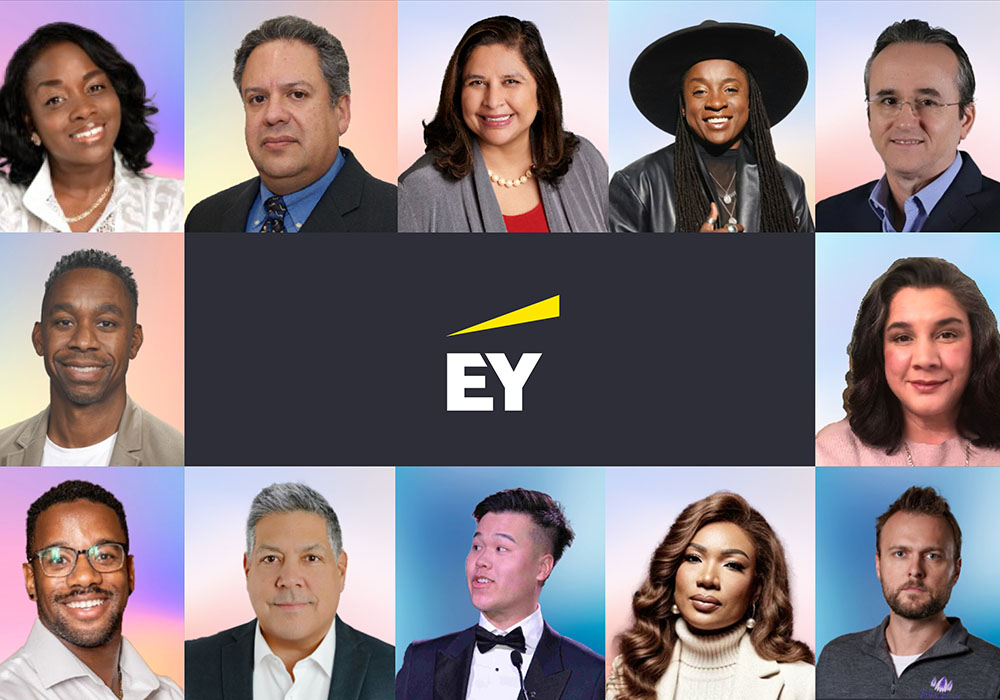
EY Canada has announced its 2026 Entrepreneurs Access Network cohort, welcoming 12 founders from Black, Indigenous, Pan-Asian and Latino communities into a year-long program designed to remove systemic barriers to business growth. Now in its fifth year, the initiative pairs entrepreneurs with EY professionals for coaching, curriculum, and network access. This year's cohort spans sectors from creative industries and technology to health, education and real estate.
Canada's entrepreneurial landscape is rich with talent. But talent alone has never been enough to guarantee success, and for Black, Indigenous, Pan-Asian and Latino founders, the barriers to scaling a business have long been structural as much as circumstantial. Access to the right mentors, rooms, and networks remains unevenly distributed, and the consequences of that gap compound over time.
Toronto's nonprofit sector runs on the vision and labour of Black women leaders who are redefining what community service looks like. From arts and mental health to civic engagement and youth empowerment, these women are driving meaningful change across the city. Despite operating on smaller budgets, their organizations reach large numbers of people, reflect greater diversity, and produce outsized results. Their work builds a more equitable Toronto, one program, one mentorship, and one community initiative at a time.
Toronto's nonprofit sector is a formidable force for social good, and Black women occupy a central place in its most vital, innovative, and community-driven organizations. Across the city, these leaders are breaking systemic barriers, developing bold programming, and uplifting communities that have long faced structural disadvantage. Their reach is wide, and their impact is deep, spanning youth empowerment, mental health equity, housing advocacy, arts and culture, sexual violence prevention, civic engagement, and more. Yet many people outside the sector remain unaware of the full scope of what Black women leaders are building, sustaining, and transforming within Toronto's nonprofit ecosystem.
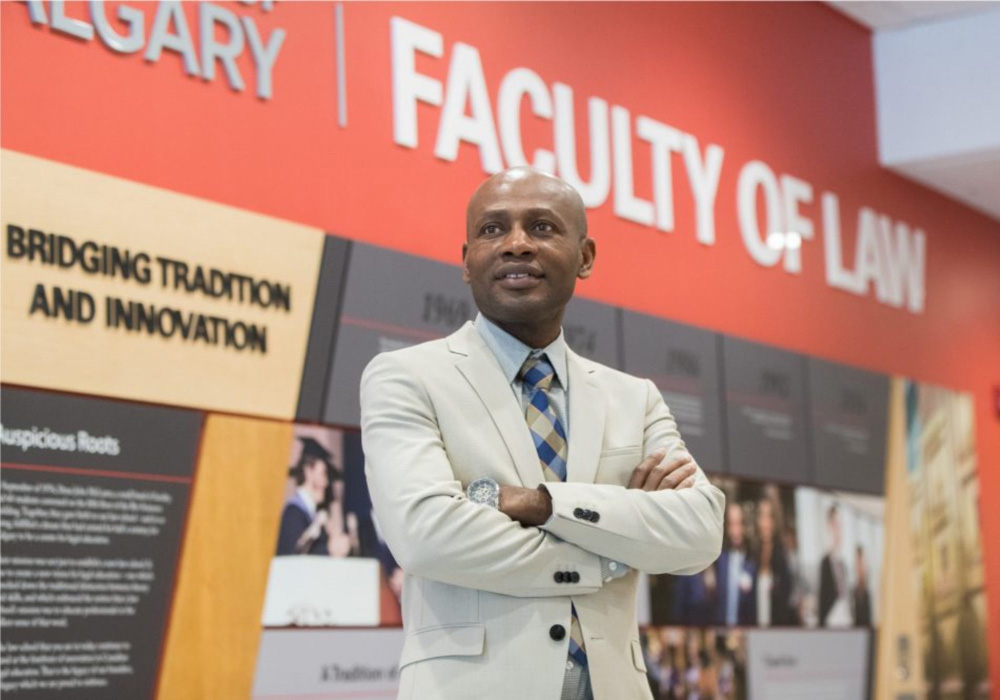
Ontario has named 30 new appointees to the Order of Ontario for 2025, recognizing leaders across arts, media, business and public service. Among them are Tracy Moore, Cameron Bailey and Claudette McGowan, three influential Black Canadian changemakers shaping broadcasting, global cinema and cybersecurity leadership. Their inclusion reflects both individual excellence and the broader, diverse cohort advancing Ontario’s cultural and economic future.
This past week, Ontario announced 30 new appointees to the Order of Ontario for 2025, recognizing leaders whose work has shaped the province across arts, media, business, science, health care and community advocacy. Among this year’s distinguished group are broadcaster Tracy Moore, film executive Cameron Bailey, and technology leader Claudette McGowan.
As artificial intelligence accelerates across Canadian institutions, questions of bias and accountability are becoming impossible to ignore. A new episode of the Canadian Bar Association’s Verdicts & Voices podcast brings Black legal scholars to the forefront of that debate.
Artificial intelligence increasingly shapes how decisions are made in policing, immigration, employment, and access to services. Yet the systems driving those decisions often reflect the same inequities embedded in society. On Wednesday, November 5, the Canadian Bar Association releases a timely new episode of its in-house podcast, Verdicts & Voices, placing those concerns squarely within a legal and policy framework.
Robert Mills turned a high-school spark from Eddie Murphy’s Boomerang into Bespoke Insurance, a fully independent Black-owned brokerage. His mission centres on representation, financial education, and training the next generation of Black insurance professionals.
When Robert Mills walked into a movie theatre in the early 1990s to see Boomerang, he wasn’t only watching Eddie Murphy on screen. He was catching a glimpse of ownership. The film’s confident portrayal of a Black-owned marketing firm planted a seed. Decades later, that seed grew into Bespoke Insurance, an Ontario brokerage that recently celebrated one year as fully independent, Black-owned—and, as reflected on its site and team roster, largely Black-operated.
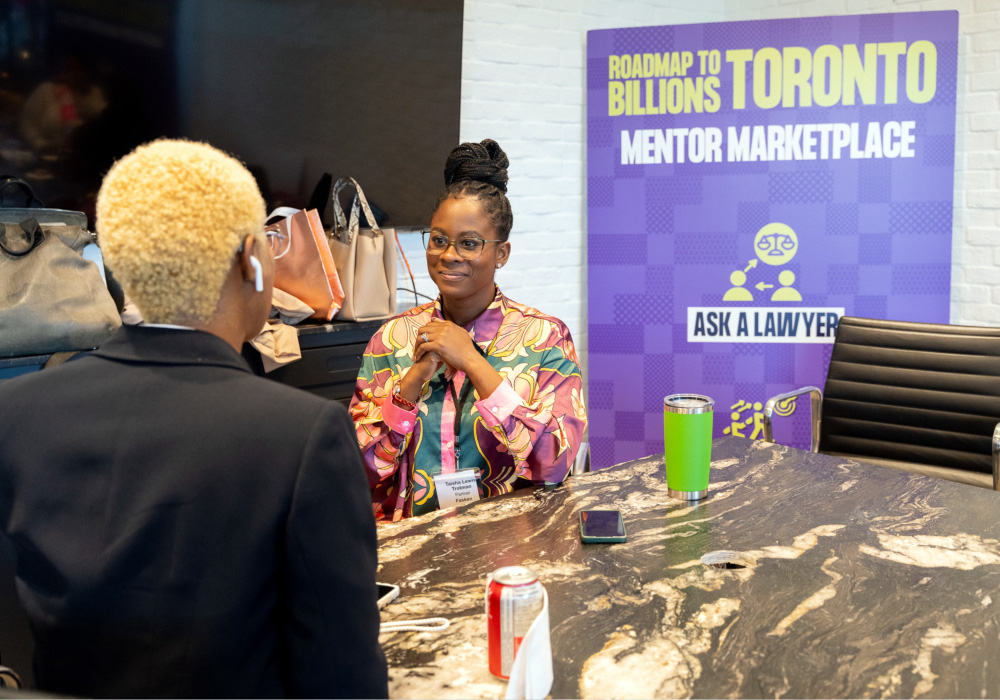
Roadmap to Billions returns to Toronto on October 5–6, 2025, uniting Black women founders, investors, and innovators for two days of connection, mentorship, and funding opportunities.
Toronto’s innovation ecosystem is preparing to welcome back Roadmap to Billions, the premier conference by and for Black women tech founders. Returning for its second Canadian edition on October 5–6, 2025, this year’s event promises an expanded vision, stronger partnerships, and greater opportunities to empower Black women entrepreneurs in technology.
Nobellum has crossed its ambitious five-year mandate of launching 100 Black-led STEM businesses. Founder Melisa Ellis explains the blueprint—community, capital, and courage.
When AfroToronto first spoke with Nobellum founder Melisa Ellis in 2022, the goal sounded both urgent and audacious: to launch 100 Black-owned businesses in STEM by 2025, while building an ecosystem that keeps dollars circulating within the community. Three years later, the milestone is real. The headline Melisa wants you to remember is simple and powerful: “It’s possible.” The story behind that phrase serves as a blueprint for how Black innovators, in Toronto and across the diaspora, can claim a space in an industrial revolution defined by AI, automation, clean tech, and digital transformation.