Articles
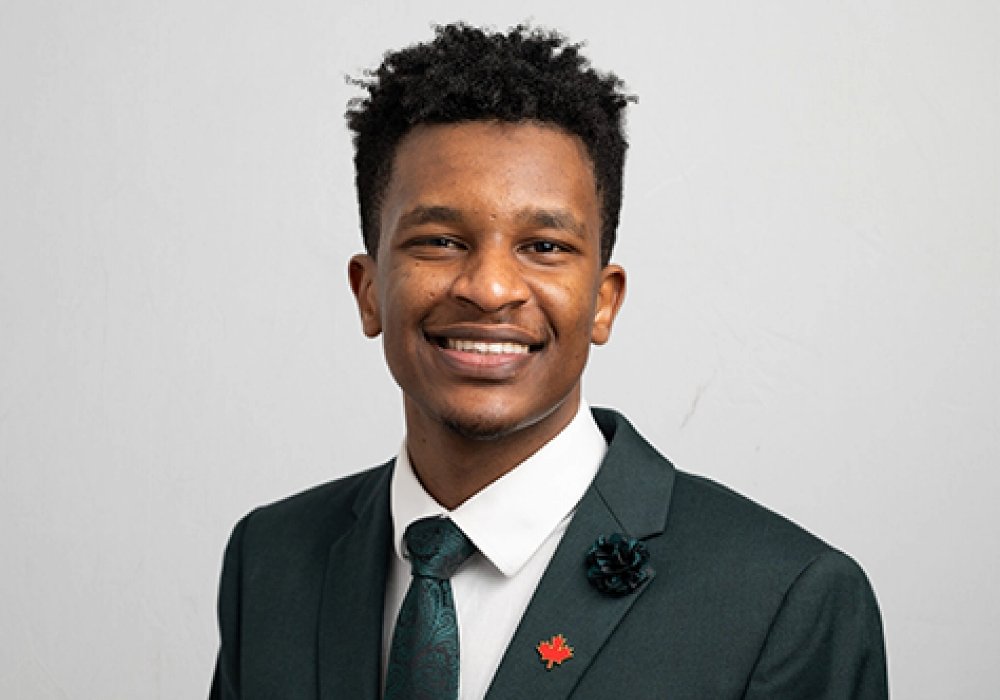
At 21, East York community leader Nebiyou Timotewos received the Ontario Medal for Young Volunteers at Queen’s Park on October 19. Born in Ethiopia and once housed in a Toronto shelter with family, he went on to build Communities Care and Brothers4Brothers, join a TELUS community board, graduate summa cum laude from York and launch MyOccasio. Here is how that record of service took shape.
Nebiyou Timotewos walked into Queen’s Park on Monday, October 19, 2026, to receive the Ontario Medal for Young Volunteers from Lieutenant Governor Edith Dumont. At 21, the East York community leader and entrepreneur joined a select group of young Ontarians recognized with the province’s highest honour for youth volunteer service. The medal capped a year that would fill most people’s résumés for a decade.
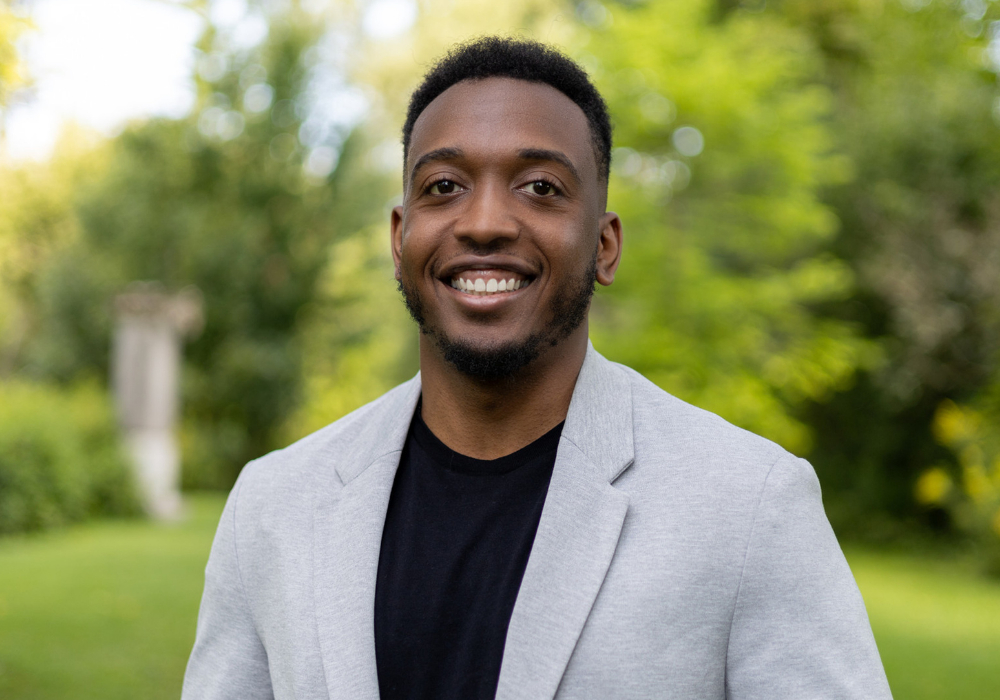
Adrian Leckie has spent more than a decade building spaces where Black youth in Scarborough feel seen and heard. On November 21, the Imani program lead and first-generation university graduate takes the Glenn Gould Studio stage as one of 14 finalists at Speaker Slam’s Grand Slam, carrying a winning story about the silence many men inherit and the conversation with his father that broke it.
Adrian Leckie has a habit of turning hard moments into open doors. He is team lead of the Imani Black Academic Mentorship Program at the University of Toronto Scarborough. In that role he connects Black university students with Black youth across seven East Scarborough elementary and high schools. Students in grades 7 to 12 get tutoring, mentorship and a clear picture of what campus life can look like.

Ten years ago, Andrew and Juli-Anne James opened Streams in Shelburne with almost no local arts programming to build on. Today the Black-founded charity has served more than 1,800 young people, funded itself through a T-shirt social enterprise and kept fees within reach for many local families. On October 6, a live telethon aims to sign up 1,000 monthly donors to power the next decade.
Juli-Anne James still remembers the first registration that landed in the inbox at Streams. It was 2016, and she and her husband Andrew were trying to launch a youth arts organization in Shelburne. It's a fast-growing town in Dufferin County where consistent, high-quality arts programming for young people barely existed. One family signing up meant someone else believed the idea could work. According to the Shelburne Free Press, that first family paid the full fee and covered a second family's enrolment too. That small act of generosity set the tone for everything that followed.
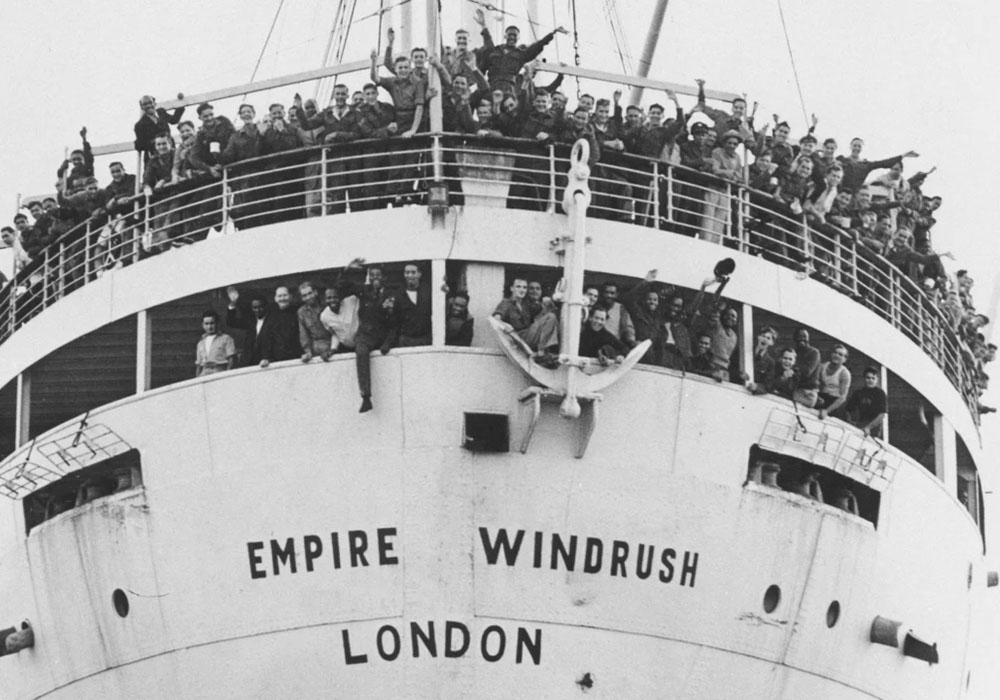
Wendy Vincent is a Toronto-based media producer whose family story is rooted in the Windrush generation, on a mission to preserve the oral histories of Caribbean migrants who helped rebuild postwar Britain and later shaped Black Canadian life. In this episode of Afropolitan Dialogues, she shares her deeply personal archival journey, her extended work with 99-year-old elder Lloyd Lindo, and her upcoming community event, Windrush in Conversation, at Blackhurst Cultural Centre in Toronto.
Some stories travel across oceans. Some travel across generations. And some arrive at your door in a dream.
Wendy Vincent is a Toronto-based media producer and community storyteller whose family roots run directly through the Windrush generation. Her parents, her maternal grandparents, and her paternal uncle, who served with the Royal Air Force, were all part of the wave of West Indian migrants who answered Britain's postwar call to come and help rebuild a devastated nation. What began as a deeply personal family connection has grown into a full-scale preservation project, one equal parts archival urgency and ancestral love.
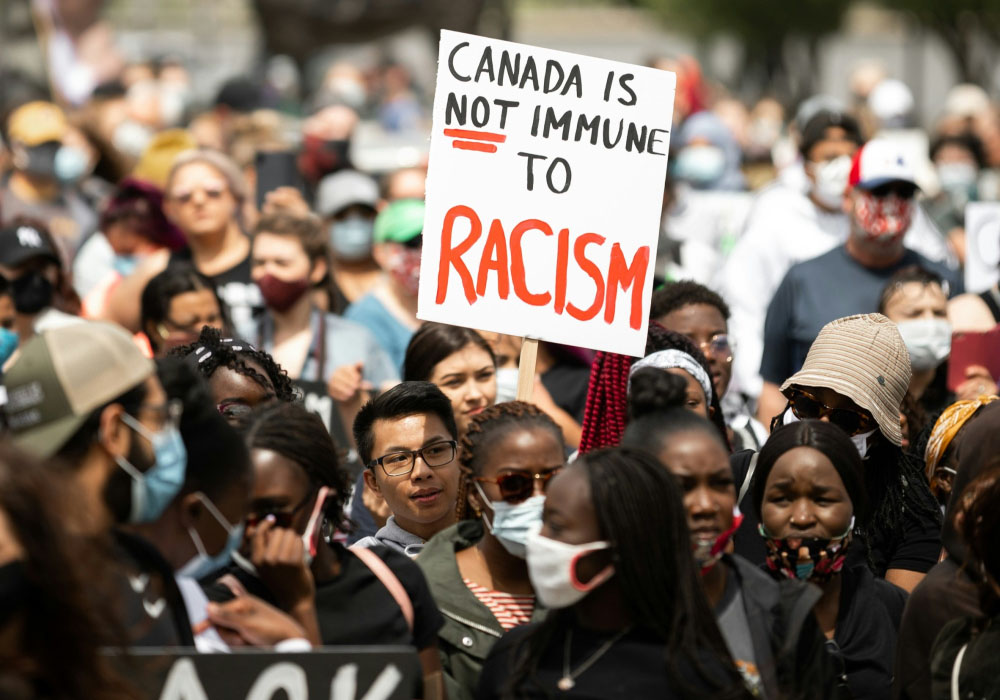
From Parliament Hill to community health centres, Black Canadian leaders have been quietly rewriting the rules of social justice for decades. Figures like the Honourable Dr. Jean Augustine and Rosemary Sadlier OOnt built the foundations that younger advocates now stand on. This article profiles the women, writers, educators, and organizers driving equity, representation, and systemic change across Canada — on their own terms, in their own voice.
For as long as Canada has existed, Black Canadians have been doing the work of making it live up to its own promises. Educators who became politicians, unpaid volunteers who lobbied governments for decades, journalists who quit their columns rather than stop protesting, and health advocates who built the only institutions of their kind in North America.
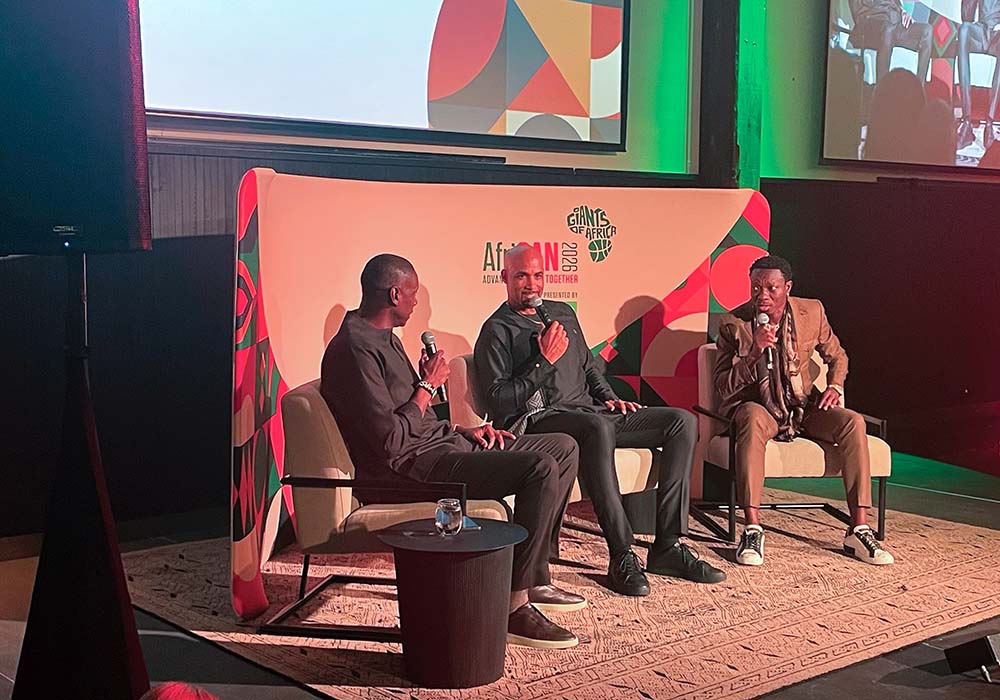
On May 6, 2026, Giants of Africa brought its annual AfriCAN celebration back to Toronto's Steam Whistle Brewing, drawing a powerful gathering of community leaders, artists, chefs and diaspora professionals. Anchored by Masai Ujiri, Boris Kodjoe and Michael Blackson, the evening moved well beyond cultural pageantry. It delivered a sharp, data-backed argument for why Africa's moment in the global economy has arrived, and who needs to own it.
Since 2003, Giants of Africa has used basketball to open doors for youth across the African continent. AfriCAN 2026, held May 6 at Steam Whistle Brewing in Toronto, brought that mission into a room packed with diaspora professionals ready to take the conversation further. From the moment guests arrived at 255 Bremner Blvd., the atmosphere carried a specific kind of charge that only happens when a community gathers with both joy and intention.
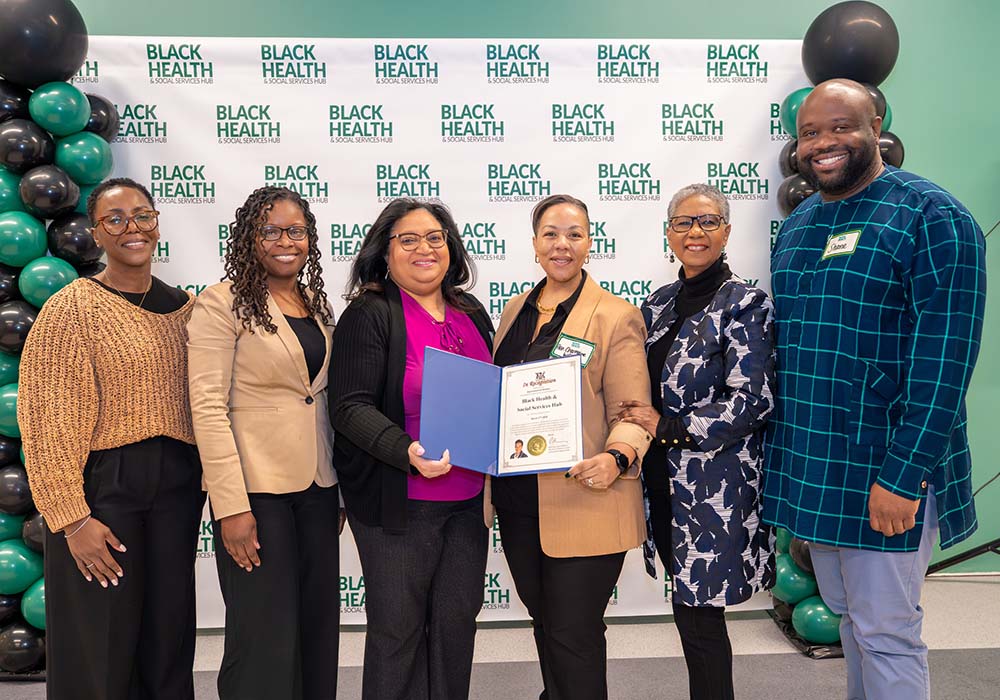
The Black Health and Social Services Hub in Brampton is opening a permanent home at 19 Rutherford Road South, marking a pivotal step in delivering culturally affirming, integrated care to Black, African, and Caribbean communities across Peel Region. Backed by a $25-million Ontario investment and led by Roots Community Services, LAMP Community Health Centre, and CMHA Peel Dufferin, the Hub unites primary care, mental health, and social services under one roof.
For Black, African, and Caribbean communities in Peel Region, access to healthcare has rarely been simple. The barriers are real and well-documented: higher rates of chronic illness, systemic gaps in culturally appropriate care, and a healthcare system that has historically felt distant or unwelcoming. In a region that is home to more than 137,000 Black residents, those gaps carry serious consequences.
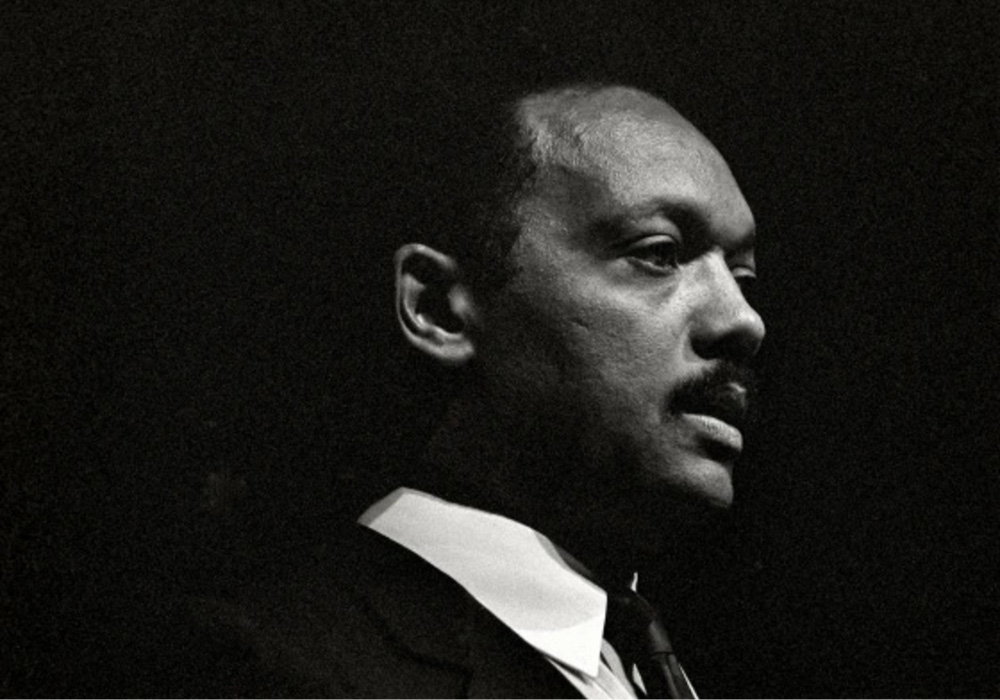
Reverend Jesse Jackson, civil rights icon and two-time U.S. presidential candidate, has died at 84. A close ally of Martin Luther King Jr., Jackson helped shape modern American politics through grassroots organizing, coalition building, and historic campaigns that expanded Black political representation. His decades of advocacy for economic justice and voting rights left a lasting imprint on communities across the United States and the diaspora.